Lymphatic drainage massage has become very popular over the last few years, and what you read about it tends to swing between the clinical and the miraculous. If you are simply wondering what it is, and whether you would enjoy one, that is a sensible place to start.
Here is the plain version: what it involves, why the pressure surprises people, what happens in a session, and who should check with a doctor first. At Soma it is offered by Zainab Molina, a Registered Midwife and a massage therapist of more than ten years.
What lymphatic drainage massage is
The lymphatic system is a network of fine vessels and small nodes that runs through the body alongside your blood circulation. It carries a clear fluid called lymph, and a good part of it sits just beneath the skin.
Lymphatic drainage massage is a style of bodywork designed around that network. It was developed in the 1930s by two Danish therapists, Emil and Estrid Vodder, and the classic version is often called Manual Lymphatic Drainage, or MLD. It uses slow, rhythmic, repetitive strokes that follow the routes those vessels take, usually working towards the nodes at the neck, armpits and groin.
It is worth being clear about what we are not saying. You will see bold promises about this massage online, including talk of detoxing. We do not make those claims. It is a complementary therapy, and what we can say is that many people find it deeply relaxing and enjoy how gentle it is.
Why the pressure surprises people
This is the part most first-timers are not expecting. Classic lymphatic drainage is very light, far lighter than a normal massage. Rather than pressing into muscle, the therapist gently stretches and releases the skin, often with little or no oil, because the hands need to move the skin rather than glide over it.
If you are used to deep tissue work, you may spend the first few minutes wondering whether anything is happening. That is normal. There is no kneading and no working through knots, and it should not hurt at any point.
If firm pressure on a specific tight area is what you are after, a sports or deep tissue massage is the better fit.
Classic and Brazilian styles
You will also come across Brazilian lymphatic drainage, a more recent style. It tends to be faster and more rhythmic than the classic method, it usually covers the whole body, and it is often firmer. So the very light touch described above belongs mainly to the classic approach.
The two are easy to confuse, because they share a name. If the pressure matters to you either way, ask when you book, and say during the session if you would like it lighter or firmer.
What actually happens in a session
A first appointment starts with a conversation. Expect questions about your health, any medication, recent surgery, and what you would like from the hour. There is no need to arrive with an explanation ready.
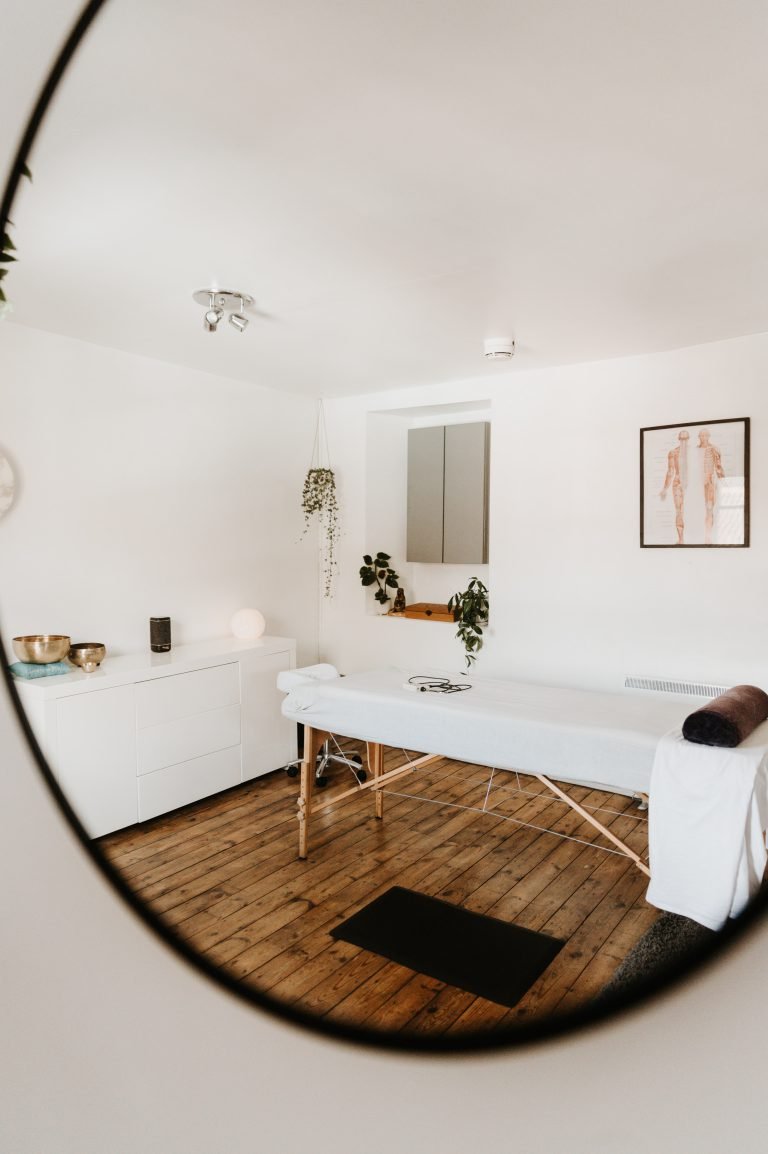
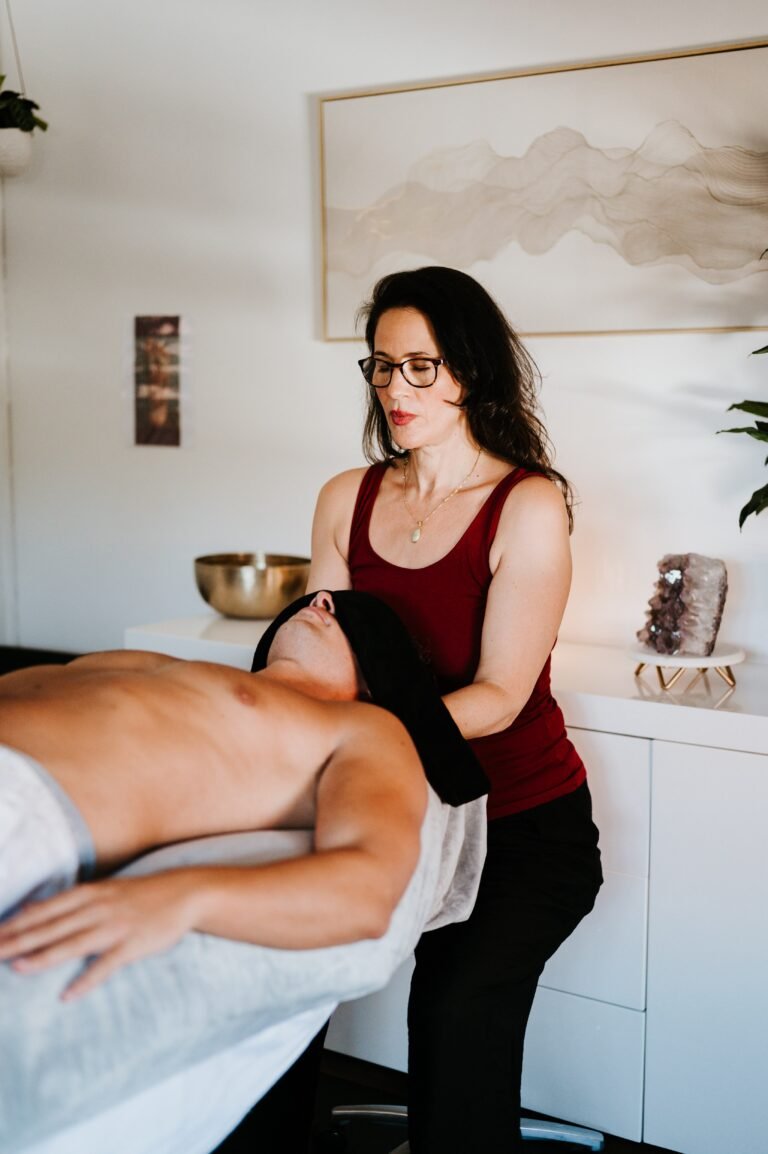
You undress to your comfort level, usually to underwear, and lie on a couch with towels over you. Only the area being worked on is uncovered at any one time, and pillows are used to keep you comfortable. Say so if you are cold, or if anything is not right.
The massage itself is quiet and repetitive. The same small movements are made several times over before the therapist moves on, and the steady rhythm is a large part of what people enjoy. Many stop talking early on, and some fall asleep, which is entirely normal.
At the end you are given a moment to come round rather than being hurried off the couch.
How you might feel afterwards
Most people describe feeling relaxed and slowed down. Some feel more tired than expected that evening, which tends to pass by the morning. Drink some water, and if you can, avoid booking something demanding straight afterwards.
We would be wary of anyone promising you a particular result from a session. It is better to see how you feel after the first one than to book with a specific outcome in mind.
When to check with a doctor first
If you have had surgery, please clear it with your surgeon before booking, however well the recovery is going. If you have a diagnosed condition such as lymphoedema, speak to your GP first.
The same goes if you are being treated for anything else, or if you are currently unwell. Like other complementary therapies, this sits alongside medical care rather than replacing it, so mention anything relevant when you book.
A few questions people often ask
Will it hurt?
No. It should feel comfortable throughout. If something does not feel right, say so and your therapist will adjust.
Is it the same as a regular massage?
Not really. A regular massage works on the muscles, with more pressure and more variety of stroke. Lymphatic drainage works at the level of the skin, and it is slower and more repetitive. Plenty of people enjoy both, but they feel quite different.
Can I have it after surgery?
Only with your surgeon’s agreement. Please ask them first, and tell your therapist what they said when you book.
How often should I go?
There is no set number. Some people come once out of curiosity, others come back from time to time. See how you feel a few days after the first one before deciding.
Lymphatic drainage at Soma
Zainab Molina is a Registered Midwife and a qualified massage therapist with more than ten years of hands-on experience, and she holds a qualification in Manual Lymphatic Drainage. She is also trained in aromatherapy, reflexology, dry cupping and craniosacral therapy. Her midwifery background shapes how she works, though a session with her is a massage and not clinical care.
She offers Brazilian Lymphatic Drainage for everyone at £75 for 60 minutes, with Postnatal Lymphatic Drainage at £80 and Pregnancy Lymphatic Drainage at £75, also for 60 minutes. Zainab is at Soma on Tuesdays from 9am to 6pm and Fridays from 9am to 1pm. Home visits may be possible for postnatal clients by arrangement.
You can read more about her work on the pregnancy and postnatal massage page. If you would prefer something with more variety, our guide to holistic massage may be useful. Still weighing it up? Our guide to choosing a treatment walks through all of them.